Learn the species

The Mushroom Guide

Ten species, explained plainly. What each one is, where it grows, and how people actually use it.

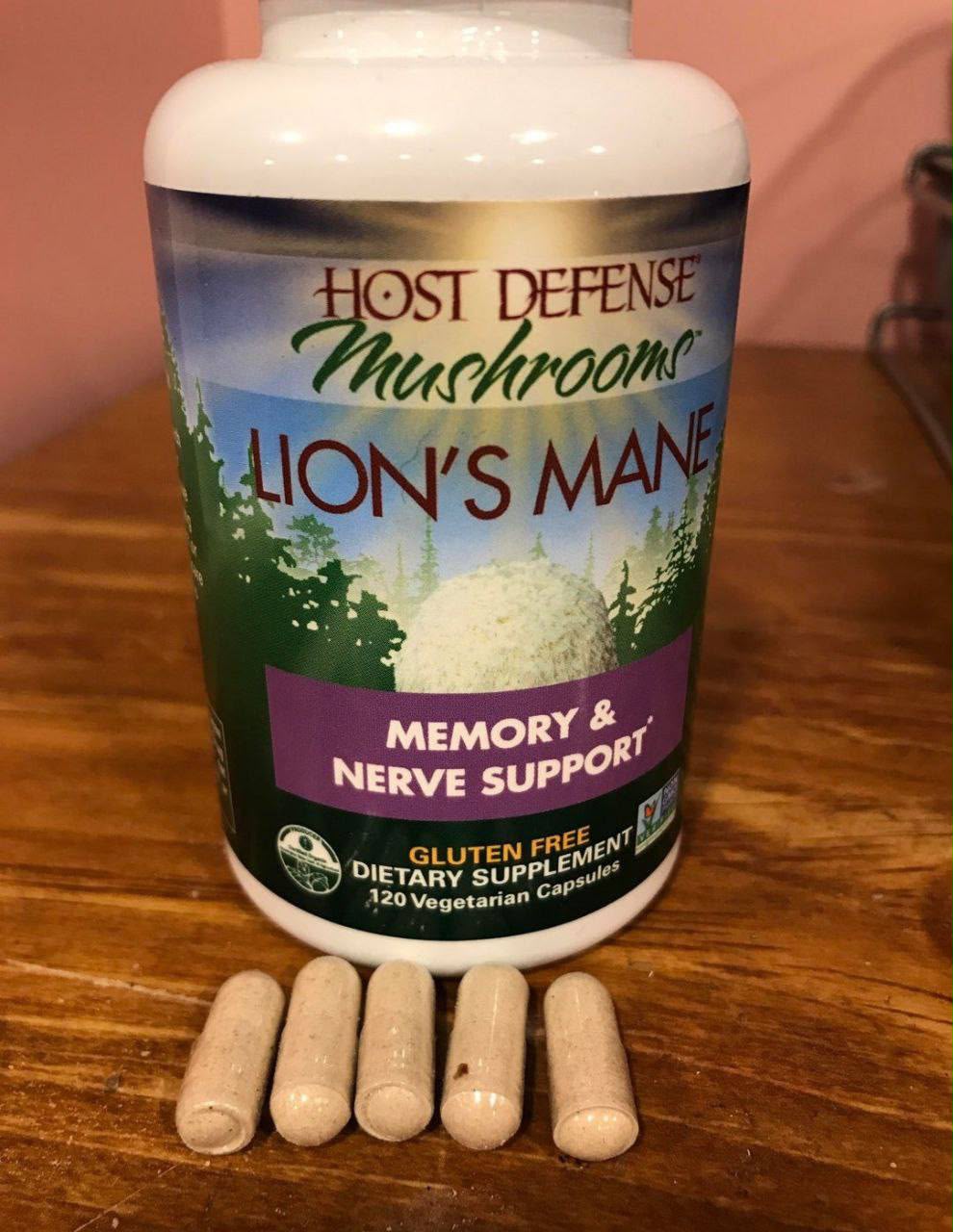
Lion's Mane (Hericium erinaceus)

Lion's Mane

Hericium erinaceus

A white, shaggy mushroom that grows in soft cascading spines rather than a cap and stem. Once you have seen one you will never mistake it for anything else.

General information

Lion's Mane grows on hardwood, usually on wounds in standing beech and oak, and appears in late summer through autumn. In the kitchen it has an unusual quality: torn into pieces and fried, the texture is often compared to crab or scallop. It has been gathered and used across China, Japan and Korea for centuries.

How it is used

Traditionally prepared as a tea or simmered in broth. As a food it is excellent torn and pan-fried until golden, or used as a plant-based substitute in dishes that would otherwise use shellfish.

Grows in spines, not gills Also called Hedgehog Mushroom Often compared to crab when cooked Fruits on hardwood in autumn
Shop Lion's Mane
Golden Teachers Mushroom (Psilocybe cubensis)

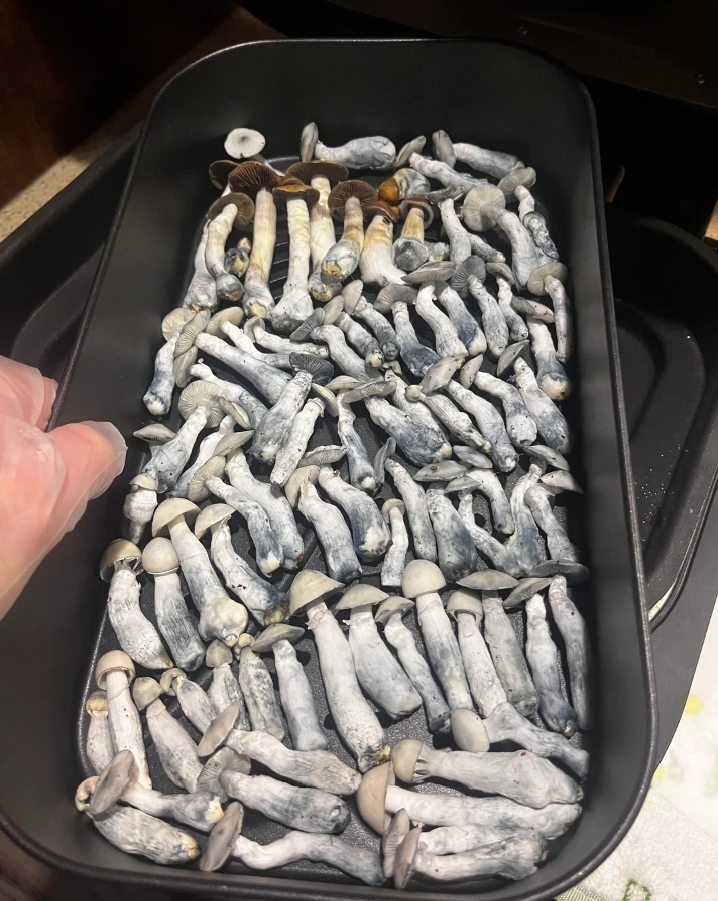
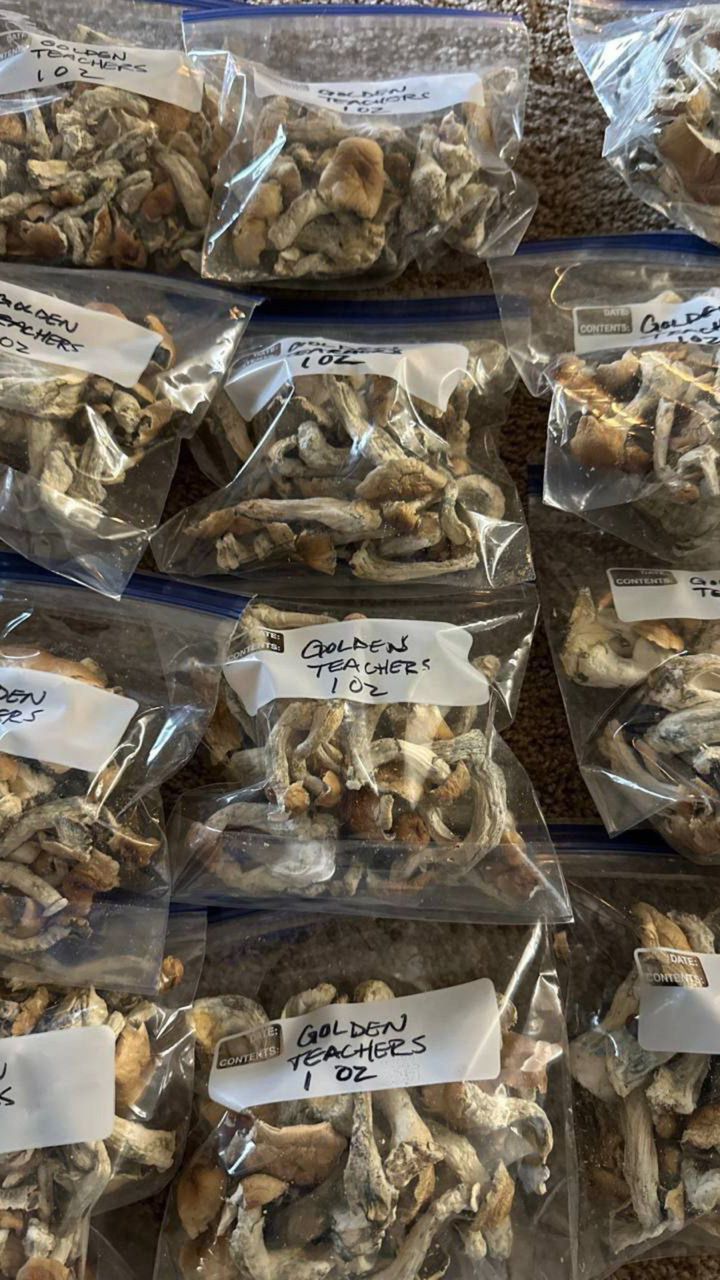
Golden Teachers Mushroom

Psilocybe cubensis

The Golden Teacher is a well-known variety of psychedelic mushroom. It belongs to a group of fungi characterized by the presence of naturally occurring compounds that produce psychoactive effects. The name is derived from the distinct golden hue of its pileus (cap) and its reputation in various subcultures for inducing introspective experiences.

General information

Classification: It is a member of the Hymenogastraceae family and is a specific cultivar of the Psilocybe cubensis species.History: This variety gained prominence in the late 1980s, though its exact point of origin remains undocumented in mycological literature.Morphology: It features a broad, convex cap that flattens with maturity and a robust, hollow stipe (stem) that is typically yellowish-white.Chemical Profile: The mushroom contains the alkaloids psilocybin and psilocin, which interact with serotonin receptors in the brain.

How it is used

In most jurisdictions, the cultivation, possession, and sale of mushrooms containing psilocybin are illegal and subject to severe criminal penalties.

The caps often transition from a darker brown to a lighter gold as the fungus matures. The tissue exhibits a characteristic blue bruising reaction when physically handled, indicating the oxidation of psilocin. It produces a dark purple-brown spore print, a key feature used in mycological identification. Environmental conditions such as humidity and temperature significantly influence its growth patterns in the wild.
Shop Golden Teachers Mushroom
Yak Swat Mushroom (Psilocybe cubensis)

Yak Swat Mushroom

Psilocybe cubensis

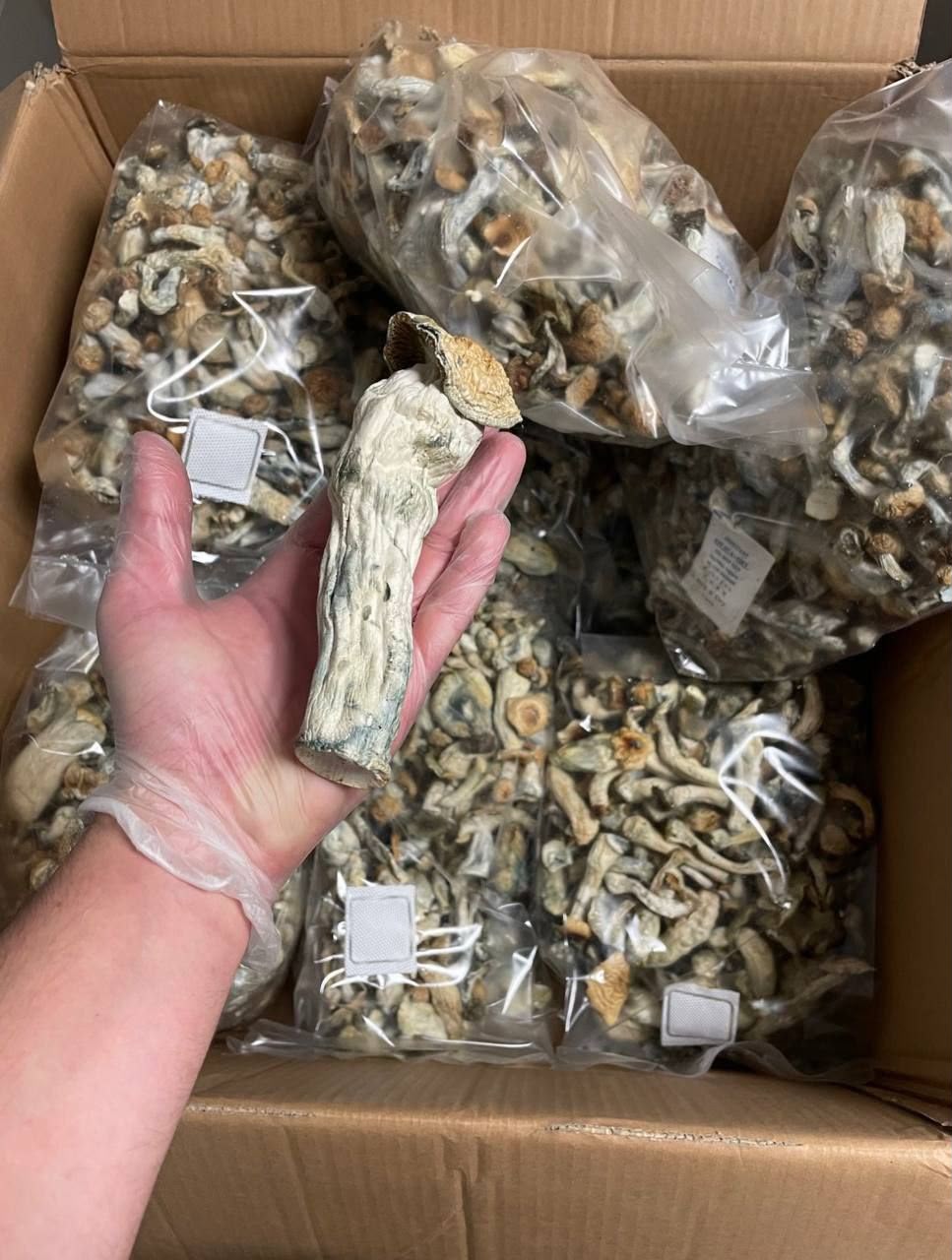
The Yak Swat mushroom is a specific cultivar or strain belonging to the psychoactive fungus species Psilocybe cubensis. It is named after its reported geographic origin in the Swat Valley region of Pakistan. Mycologists and cultivators isolate this particular variant for its distinct structural properties and growth characteristics.

General information

Taxonomy: It is classified under the family Hymenogastraceae and the genus Psilocybe.Origin: The original spores were wild-sampled from the high-altitude pastures of the Swat Valley, where livestock grazing is common.Physical Traits: It typically develops thick, dense white stipes (stems) and broad, pale cream-to-tan pilei (caps).Chemistry: Like all variants of this species, it synthesizes the active tryptamine alkaloids psilocybin and psilocin.

How it is used

Microscopy Study: The spore prints and liquid suspensions are widely utilized by hobbyist mycologists for microscopic analysis and identification practice.Taxonomic Cultivation: In jurisdictions where legally permitted, researchers grow the mycelium to document genetic variations and phenotype stability across generations.

The strain originates from the subalpine pastures of the Swat Valley region in Pakistan. It is considered a phenotypic variant of the species Psilocybe cubensis rather than a unique species. The fruits are characterized by notably thick, fibrous stalks and dense flesh. Mature caps tend to retain a lighter, off-white or ivory color compared to standard wild strains.
Shop Yak Swat Mushroom
Mushroom Tinctures (Ganoderma lucidum)

Mushroom Tinctures

Ganoderma lucidum

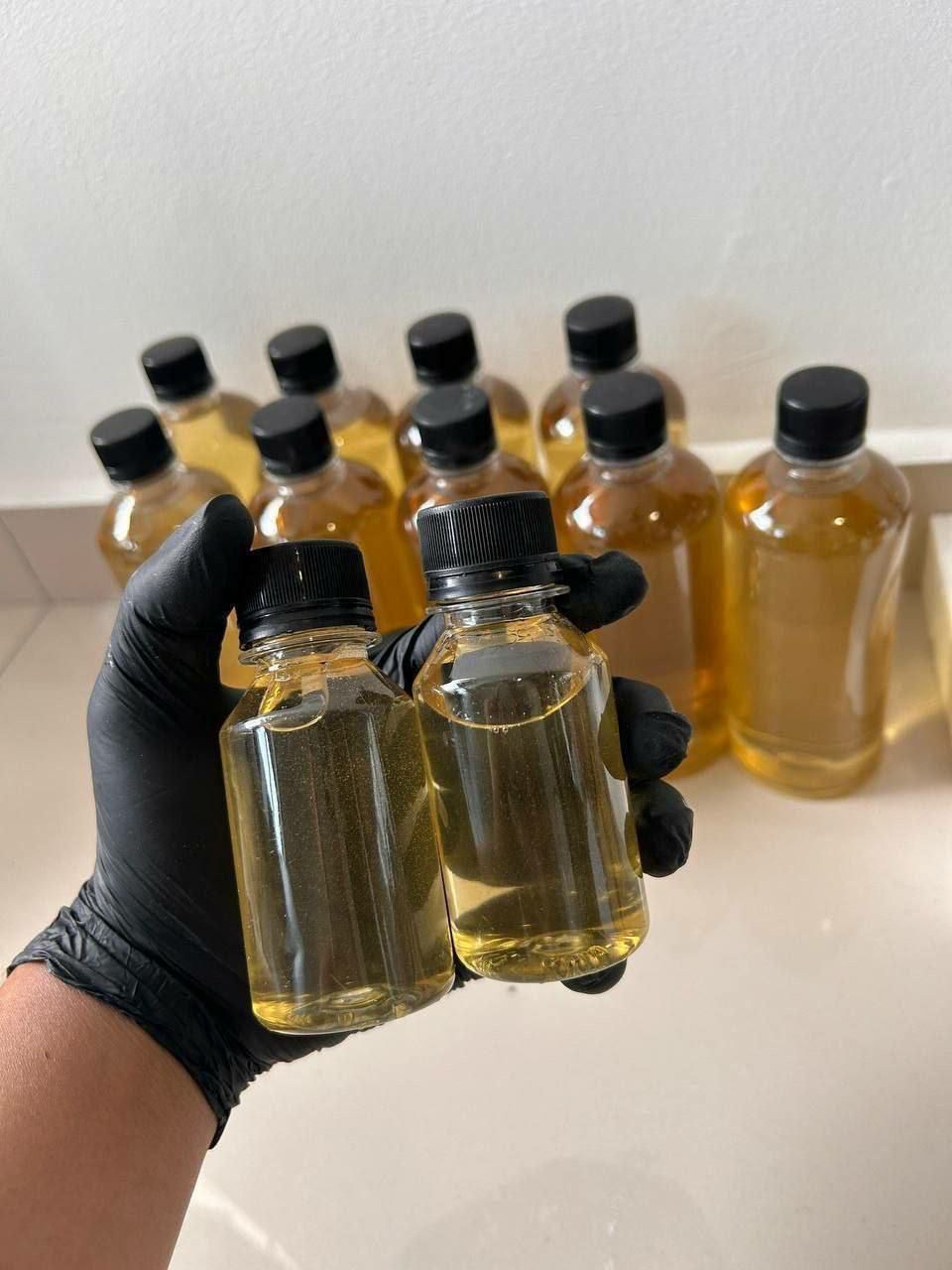
A mushroom tincture is a concentrated liquid extract created by soaking fungal biomass in a solvent over a prolonged period. This process pulls out the active chemical compounds from the tough, fibrous chitin walls of the mushroom. The resulting liquid allows the target compounds to be stored stably and used in precise fluid measurements.

General information

Solvent Methods: Makers typically utilize a "dual-extraction" method involving both high-proof alcohol and hot water.Alcohol Extraction: Ethanol is used to dissolve alcohol-soluble compounds, such as triterpenoids and sterols.Water Extraction: Hot water is used to break down and extract water-soluble elements, primarily beta-glucans and polysaccharides.Bioavailability: Raw mushroom cell walls are indigestible by humans, so liquid extraction makes these internal compounds bioavailable to the body.

How it is used

Dietary Supplementation: The liquid is added to drinks or placed under the tongue to introduce fungal compounds into the body.Commercial Formulations: Manufacturers bottle the liquid into amber dropper vials for commercial sale in the wellness industry.Fungal Research: Laboratories analyze the concentrated liquid to measure the exact chemical yield of specific mushroom crops.

Mushroom tinctures are liquid concentrated extracts rather than a specific biological species of fungi. Dual-extraction techniques combine hot water and alcohol to capture both water-soluble and alcohol-soluble compounds. Alcohol acts as a natural preservative that keeps the liquid extract shelf-stable for multiple years. The extraction process breaks down chitin, the tough material that makes up mushroom cell walls.
Shop Mushroom Tinctures
Penis Envy Mushroom (Psilocybe cubensis)

Penis Envy Mushroom

Psilocybe cubensis

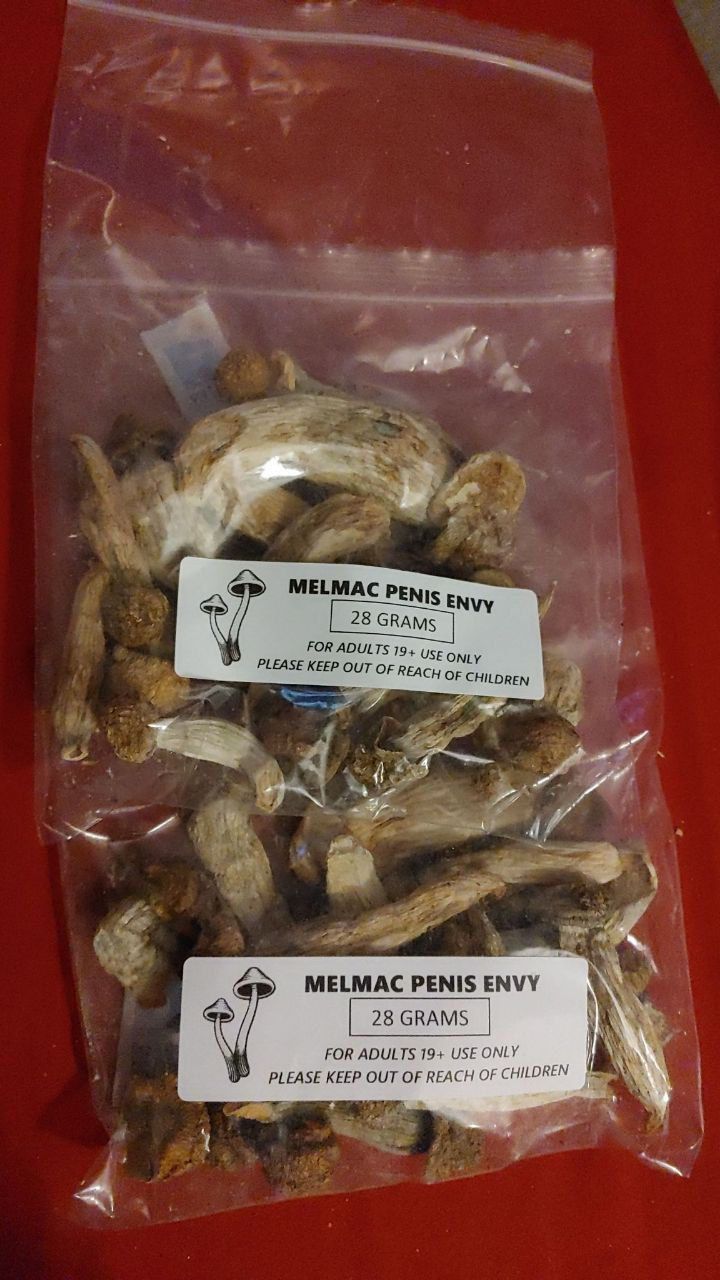
The Penis Envy mushroom is a famous mutant cultivar of the psychoactive fungus Psilocybe cubensis. It is highly recognized in the mycological community for its distinct structural mutations and unusual growth habits. Geneticists and researchers study this variant because it differs significantly from wild-type specimens of the same species.

General information

Taxonomy: It belongs to the family Hymenogastraceae and is a specific phenotype of the species Psilocybe cubensis.History: The lineage is commonly traced back to wild samples collected in the Amazon rainforest during the 1970s.Morphology: It features an exceptionally thick, dense, bulbous stem and a small cap that rarely opens fully at maturity.Spore Production: This variant suffers from a genetic mutation that prevents the cap from opening, making natural spore dispersal rare.

How it is used

Genetic Isolation: Cultivators use tissue cultures on agar plates to duplicate and maintain the specific physical mutations of the strain.Microscopic Analysis: Researchers use specialized laboratory tools like swabs to collect its rare spores for microscopic examination.Chemical Mapping: Scientific laboratories analyze the tissue to map the concentration of tryptamine alkaloids present in mutant phenotypes.

It is a mutant strain. The stems are very thick. The caps rarely open fully. It drops very few spores.
Shop Penis Envy Mushroom
Dried Mushrooms (Various species)

Dried Mushrooms

Various species

Dried mushrooms are edible mushrooms that have been carefully dehydrated to remove moisture while preserving much of their natural flavor, aroma, and nutritional value.

General information

Dried mushrooms are lightweight, shelf-stable, and commonly used as a convenient alternative to fresh mushrooms. They can be stored for extended periods when kept in a cool, dry, airtight environment.

How it is used

Dried mushrooms are usually rehydrated in warm water before cooking and can be used in soups, sauces, stews, rice dishes, noodles, stir-fries, and other recipes.

Dried mushrooms have most of their moisture removed through dehydration. They can have a more concentrated flavor than fresh mushrooms. Most dried mushrooms should be rehydrated before cooking. The soaking liquid can often be used to add mushroom flavor to dishes. They should be stored in a cool, dry, airtight container. Different mushroom species have different flavors, textures, and Latin names.
Shop Dried Mushrooms
Common questions

Mushroom Questions

The things people ask us most often before their first order.

Lion's Mane if you are curious about the medicinal side, or Oyster if you mainly want to cook. Both are forgiving, pleasant and easy to work with. Alternatively the Five Mushroom Blend covers a lot of ground in one jar.

A powder is simply the dried mushroom milled fine, so you consume the whole thing. An extract has been processed with water and often alcohol to concentrate particular compounds, so you use far less of it. Powders suit food and daily drinks; extracts suit precision.

Reishi is woody rather than fleshy, and the compounds people want from it are locked inside a tough cell structure. A long simmer of one to two hours is what breaks that down. This is also why a concentrated extract is popular for convenience.

No, and it is an important distinction. The gourmet species — Shiitake, Oyster, King Oyster, Maitake, Enoki — are foods. Reishi, Chaga and Turkey Tail are woody or leathery and are brewed as teas rather than eaten.

Only with proper training. Several dangerous species closely resemble edible ones, and some are lethal with no reliable antidote. Never eat a wild mushroom on the basis of a photograph or an app. Learn from an experienced local forager first.

We do not make medical claims, and you should be sceptical of anyone who does. Many of these species have long traditional histories and are actively studied, but our products are foods and food supplements. If you are managing a health condition, are pregnant or nursing, or take medication, speak to a qualified healthcare professional.
Still deciding?

Ask Us Anything

Tell us what you are hoping to do and we will tell you honestly which of these is worth your money — and which is not.

Your Selection

Nothing selected yet

Browse the collection and add what interests you.

Explore the Shop